We use cookies to improve our site. By using or further navigating our site you accept our cookie policy.Please click here to check the Privacy Policy and Cookie Policy.



Smart
Empowerment

2026-08-11
 Nexlence
Customer loyalty has become increasingly difficult to build in today’s competitive market. Customers have more choices, higher expectations, and less patience for brands that fail to deliver consistent and personalized experiences.
Many businesses invest in loyalty programs to increase repeat purchases, improve customer retention, and build stronger relationships with their customers. However, launching a loyalty program is only the beginning. The real challenge is maintaining customer engagement, delivering meaningful interactions, and turning loyalty members into long-term customers.
A loyalty platform can help companies manage memberships, rewards, and customer data, but technology alone does not create loyalty. Businesses still need effective engagement strategies, responsive customer support, and operational capabilities to ensure every customer interaction strengthens the relationship.
This is why many companies are looking for customer loyalty program support solutions that can help them improve loyalty operations, increase customer engagement, and maximize the value of existing customer relationships.
Although loyalty programs have become a common strategy for customer retention, many businesses find that their programs do not generate the expected results.
The reason is simple: loyalty is not created by rewards alone. Customers stay with brands because of the overall experience they receive before, during, and after every interaction.
One of the most common challenges businesses face is that customers join loyalty programs but fail to actively participate afterward.
A customer may register to receive an initial discount or reward but never return to use additional benefits. Over time, companies may have thousands of loyalty members but limited interaction with those customers.
To improve engagement, businesses need continuous communication strategies, including:
A successful loyalty strategy should create ongoing value rather than relying only on occasional rewards.
Modern customers expect brands to understand their needs.
They want recommendations based on their interests, support based on their previous interactions, and communication that feels relevant rather than generic.
However, personalization becomes increasingly difficult as customer databases grow.
Many businesses collect valuable customer information through loyalty programs but struggle to transform that information into meaningful actions.
Without effective data analysis and engagement processes, loyalty programs may become simple reward systems instead of tools that build stronger customer relationships.
Customer support is one of the most important factors influencing customer loyalty, yet many companies still manage support operations separately from their loyalty initiatives.
This creates missed opportunities.
For example, when a loyal customer contacts a brand about:
the interaction should not be treated as just another support request.
Every conversation is an opportunity to increase trust and demonstrate that the brand understands and values the customer.
A poor support experience can quickly damage loyalty, while a positive interaction can strengthen the customer relationship.
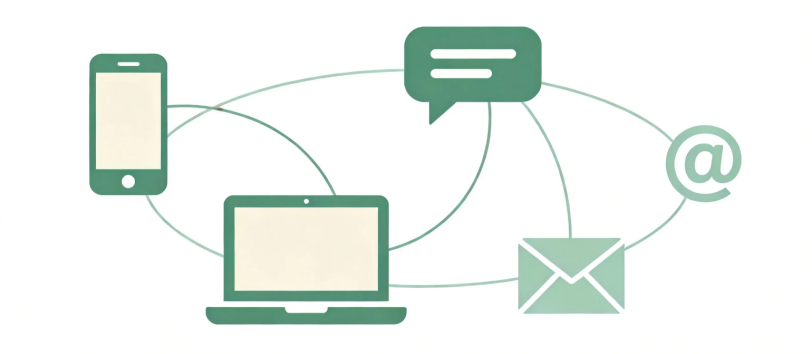
Customers today communicate with brands through multiple channels, including websites, live chat, email, social media, mobile applications, and marketplaces.
They expect consistent service regardless of where they contact a company.
However, maintaining consistent experiences across different channels requires:
For global companies, the challenge becomes even greater because customers may require support in different languages, regions, and time zones.
Choosing the right support partner is not simply about outsourcing customer inquiries. Businesses need a partner that can help improve customer engagement, optimize operations, and create better experiences throughout the customer lifecycle.
Before selecting a provider, companies should evaluate whether the partner can solve their core operational challenges.
| Business Challenge | What a Support Partner Should Provide |
|---|---|
| Low loyalty member engagement | Personalized communication, proactive engagement, and retention-focused customer interactions |
| Limited customer insights | Data analysis and reporting to understand customer behavior and improve loyalty strategies |
| Fragmented customer support channels | Omnichannel support management across voice, chat, email, social media, and digital platforms |
| Increasing customer service workload | Flexible and scalable support operations during growth periods or seasonal peaks |
| Inconsistent customer experiences | Standardized workflows, quality monitoring, and continuous service improvement |
A strong support partner should help businesses create more meaningful customer interactions.
This includes understanding customer history, assisting with membership-related questions, providing relevant information, and maintaining communication throughout the customer journey.
Personalized engagement helps customers feel recognized and increases the likelihood of repeat interactions.
Customers expect seamless experiences across every communication channel.
A capable support solution should connect customer conversations across different touchpoints, allowing support teams to access customer context and provide faster, more accurate solutions.
This reduces customer frustration and creates a more consistent brand experience.
Every customer interaction provides valuable information.
Support conversations can reveal:
Businesses should choose partners that can transform customer interaction data into actionable insights that improve future loyalty strategies.
Customer demand changes constantly.
Marketing campaigns, product launches, seasonal promotions, and international expansion can create sudden increases in customer interactions.
A reliable support partner should provide scalable operations that allow businesses to maintain service quality while adapting to changing demand.
The goal of loyalty support is not only to solve customer problems. It is to create better experiences that encourage customers to continue choosing the brand.
| Business Goal | How Support Helps |
|---|---|
| Increase customer retention | Creates consistent experiences that encourage repeat purchases |
| Improve customer satisfaction | Provides faster responses and personalized assistance |
| Increase loyalty participation | Helps customers understand and receive more value from loyalty benefits |
| Reduce customer churn | Identifies customer issues and resolves problems before relationships are damaged |
| Improve business decisions | Uses customer interaction data to optimize future strategies |
By improving every customer interaction, businesses can transform loyalty programs from simple reward systems into long-term relationship-building tools.
Technology plays an increasingly important role in modern customer experience management.
AI can help businesses automate repetitive tasks, analyze customer interactions, identify trends, and improve response efficiency.
However, customer loyalty also depends on human understanding.
Complex customer situations, complaints, and emotional interactions require empathy and problem-solving skills that technology alone cannot provide.
The most effective approach combines AI capabilities with human expertise. This allows businesses to improve operational efficiency while maintaining personalized and meaningful customer relationships.

After addressing the challenges businesses face, it becomes clear that improving loyalty requires more than a rewards platform. Brands need a customer experience partner that can connect technology, operations, and human support.
Nexlence helps businesses improve customer relationships through AI-powered customer experience solutions, omnichannel support operations, and global CX capabilities.
Through its X-Force AI platform, Nexlence helps brands optimize customer interactions by combining artificial intelligence, intelligent workflows, automation, and human expertise.
This enables businesses to:
Nexlence supports businesses across industries including eCommerce, retail, consumer electronics, smart home, and digital platforms, helping brands manage customer interactions throughout the complete customer journey.
Nexlence combines AI technology with customer experience operations to help brands improve efficiency and service quality.
AI-powered workflows help automate repetitive processes, support faster responses, and provide deeper insights from customer interactions, allowing human teams to focus on more complex customer needs.
Customer relationships are built across multiple touchpoints.
Nexlence helps brands manage customer interactions across different channels, creating more consistent experiences and helping customers receive connected support wherever they engage with the brand.
For international brands, maintaining consistent customer experiences across different markets can be challenging.
Nexlence provides multilingual and localized customer experience operations, helping businesses support customers across regions while adapting to local expectations.
Customer interactions provide valuable insights for business improvement.
Nexlence helps brands analyze customer feedback and service performance, allowing companies to identify improvement opportunities and continuously optimize their customer experience strategies.
Customer loyalty program support includes customer engagement management, membership assistance, customer communication, data insights, and operational support designed to improve customer retention and loyalty performance.
Many companies have loyalty platforms but lack the resources to manage customer engagement, analyze customer behavior, and provide consistent support. External support helps businesses improve efficiency and create stronger customer experiences.
Customer support improves loyalty by helping customers solve problems quickly, creating positive interactions, and building trust throughout the customer journey.
Yes. Nexlence provides global customer experience operations and multilingual support capabilities, helping international brands deliver consistent experiences across different markets.
Nexlence combines AI-powered solutions with human expertise to improve automation, customer insights, workflow efficiency, and overall customer experience performance.
Customer loyalty is no longer created through rewards alone. Brands need continuous engagement, personalized interactions, and consistent support across every stage of the customer journey.
A successful loyalty strategy requires more than technology. It requires the ability to understand customers, respond quickly, and continuously improve every interaction.
Nexlence helps businesses achieve this through AI-powered CX solutions, omnichannel customer engagement, global support operations, and data-driven experience optimization.
By combining advanced technology with human expertise, Nexlence enables brands to move beyond traditional loyalty programs and create customer experiences that encourage long-term trust, retention, and business growth.
If your business is looking for a scalable partner to improve customer retention, strengthen loyalty engagement, and optimize every customer interaction, Nexlence can help you build a smarter CX strategy designed around your customers’ expectations and your long-term growth goals.












 PREVOUS ARTICLE