A customer who has to explain their problem in a second language, or wait for a translated reply, forms a different impression of your brand than one who gets help in their own words. As companies expand into new markets, language quickly becomes one of the biggest hidden barriers to customer satisfaction — and one of the easiest to fix with the right multilingual customer support setup.
This guide covers what multilingual customer support actually involves, when it's worth building versus outsourcing, what it costs, and how to choose a partner who can genuinely support your customers in the languages they speak — not just translate your existing scripts.

What Multilingual Customer Support Actually Means
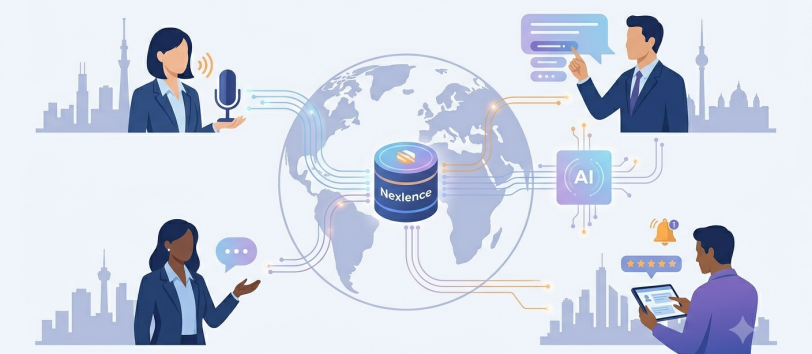
Multilingual customer support goes beyond having a translation tool bolted onto your helpdesk. It means customers can get help in their own language across the channels they actually use — email, live chat, phone, and social media — from agents who understand not just the words, but the cultural context, tone, and expectations behind them.
There are generally three approaches companies take:
Machine translation layered on existing support — the cheapest option, but often produces stilted responses and struggles with nuance, sarcasm, or technical language.
Bilingual in-house hires — works for one or two additional languages, but scaling to five or more languages internally becomes expensive and hard to manage.
Dedicated multilingual support outsourcing — a provider with native or fluent agents across multiple languages, trained on your product and brand voice, often the most scalable option for companies serious about global growth.
Why Multilingual Support Matters More Than Most Companies Realize
1. It Directly Affects Trust and Conversion
Customers are more likely to complete a purchase, and less likely to churn, when they can get support in their own language. This is especially true for complex products or high-value purchases where customers want to be certain they've understood the answer correctly.
2. Machine Translation Has Real Limits
Automated translation is good enough for simple, transactional messages, but it frequently breaks down with idioms, technical terminology, or emotionally charged complaints — exactly the situations where getting the tone right matters most. This is why companies searching for the best languages for customer support outsourcing usually end up prioritizing native-speaking agents over translation tools once volume in a market grows.
3. It's a Competitive Advantage in Global Markets
Many competitors still rely on English-only support or basic translation. A brand that offers genuine native-language support, especially via multilingual live chat support services, often stands out simply by being easier to deal with.
4. Round-the-Clock Coverage Requires Language Coverage Too
As companies pursue 24/7 multilingual customer support outsourcing, the goal isn't just having someone awake at 3am — it's having someone awake at 3am who can actually help a customer in their own language, not just acknowledge the ticket until a native speaker comes online later.
5. Compliance and Clarity Matter More in Certain Industries
For finance, healthcare, and legal-adjacent products, miscommunication due to language barriers isn't just a customer experience problem — it can create real compliance and liability risk. Accurate, native-language support reduces that risk significantly.
Which Channels Need Multilingual Support First?
Not every channel needs to be multilingual on day one. Most companies prioritize in this order:
1. Live chat — often the highest-impact channel, since it catches undecided customers in real time and directly affects conversion.
2. Email — typically the highest volume channel and the easiest to staff with multilingual agents working asynchronously.
3. Phone support — more resource-intensive to staff multilingually, usually added once a market reaches meaningful scale.
4. Social media and messaging apps — increasingly important in markets where platforms like WhatsApp or WeChat are the primary customer contact method.
How to Choose the Right Multilingual Support Partner
Not every provider that claims "multilingual support" actually has native fluency at scale. When evaluating a partner, check for:
1. Native or near-native fluency, not just conversational ability, especially for technical or emotionally sensitive conversations.
2. Real coverage in the languages your customers actually speak — verify this against your actual market data, not assumptions about which languages "should" matter.
3. Cultural context training, not just language training, so tone and expectations match local norms.
4. Consistent quality across languages. Ask how QA is handled for languages your internal team can't personally review.
5. Integration with your existing helpdesk so multilingual agents work inside your current systems rather than a separate workflow.
6. Scalability to add new languages as you expand into additional markets, without starting the vendor search over each time.
7. Transparent, language-specific reporting — response time, resolution rate, and CSAT broken out by language, not just an overall average that can hide gaps in specific markets.
Which Businesses Benefit Most From Multilingual Support
Ecommerce brands selling across multiple countries and marketplaces, where checkout hesitation often comes down to trust and clarity.
SaaS and platform companies expanding into new regions where English-only support creates friction for non-native speakers.
Travel and hospitality businesses serving customers from dozens of countries who expect support in their own language.
Fintech and healthcare companies, where precision in language reduces both customer confusion and compliance risk.
Marketplaces and gig platforms connecting users across borders who may not share a common language with each other or with support staff.
Common Mistakes Companies Make With Multilingual Support
Relying entirely on machine translation for complex or sensitive conversations. It works for simple transactional messages, but frequently fails when nuance or tone matters.
Assuming one bilingual hire can cover a whole market. A single person can't provide 24/7 coverage, and burns out quickly as volume grows.
Adding languages without adding quality control. If no one on your team can review a language's output, quality gaps can go unnoticed for months.
Prioritizing the wrong languages. Base language priority on actual customer and revenue data, not assumptions about which markets "should" matter most.
Treating multilingual support as a translation task rather than a cultural one. Tone, formality, and expectations vary by region — literal translation often misses this.
How Nexlence Supports Global, Multilingual Brands
At Nexlence, we build multilingual support teams with native-speaking agents across regions, trained on your product and brand voice rather than relying on generic translation. Whether you need coverage in a handful of core languages or a fully multilingual, 24/7 operation spanning multiple continents, we structure the team around the markets you're actually serving — with reporting broken out by language so you always know where quality stands.
Frequently Asked Questions
Is machine translation good enough for customer support? It can work for simple, low-stakes messages, but it often struggles with idioms, technical terms, and emotionally charged complaints — exactly the situations where tone matters most. Most companies use it as a supplement, not a replacement, for native-speaking agents once support volume in a market grows.
How many languages should I support first? Start with the languages tied to your largest existing markets or highest-revenue customer segments, based on actual data rather than assumptions. Most companies begin with two or three priority languages before expanding further.
Can I outsource multilingual support for just one channel, like live chat? Yes. Many companies start with live chat specifically, since it has the most direct impact on conversion, then expand multilingual coverage to email and other channels as the relationship proves itself.
How do I know if a provider's agents are actually fluent, not just using translation tools themselves? Ask for sample transcripts or a live trial period in the specific languages you need, and if possible, have a native speaker on your team (or a trusted third party) review the quality before committing to a larger contract.
Does multilingual support need to be available 24/7? Not necessarily from day one. Many companies start with business-hours coverage in each target market's time zone, then move toward 24/7 multilingual coverage as volume and market importance grow.
Conclusion
Multilingual customer support isn't just a nice-to-have for global brands — it's often the difference between a customer who trusts your product and one who quietly churns after a frustrating, mistranslated interaction. The companies that get the most value from it prioritize languages based on real data, choose partners with genuine native fluency rather than translation shortcuts, and keep quality visible across every language they support.
If you're ready to explore what genuinely native-language support could look like for your global customers, Nexlence can help you build a multilingual team around the markets and languages that matter most to your business.
Talk to Nexlence About Multilingual Customer Support →













 Nexlence


 PREVOUS ARTICLE